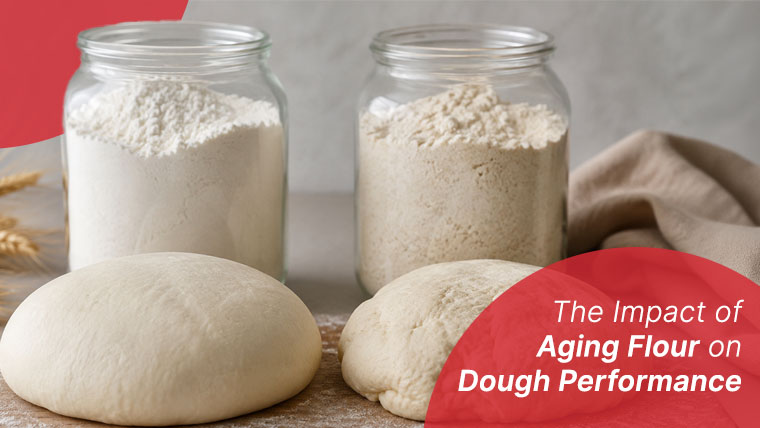
Ever wondered why some doughs feel easier to work with than others, or why your bread might turn out fluffier one day and denser the next? The answer could lie in something you’ve probably overlooked the age of your flour. Yes, flour, like fine wine, changes with time, and those changes can have a big impact on your baking.Let’s talk about how aging flour affects your dough and what that means for your baked goods.
Why Flour Ages (And Why It Matters)
Freshly milled flour is full of active components, but it needs time to settle. In the aging process, flour interacts with oxygen in the air, which makes proteins stronger and changes the property of the flour. That’s why, using freshly milled flour or a flour that sat on the shelf for some time can make your dough behave differently.
- Fresh Flour:
It is lighter and less structured. While it is great for some delicate pastries, it might lack the strength needed for bread dough or pizza crust.
- Old Flour:
With time, the proteins in the flour develop more strength, resulting in dough that is well elastic and structured. In recipes where dough needs to be rigid and well-risen, aged flour is preferred for its strength.
- How It Affects Your Dough
Elasticity and Strength:
Aged flour creates dough with better elasticity, making it easier to shape and less likely to tear. If you’re baking bread or rolling out pie crusts, this is a big win.
- Fermentation-Friendly:
Aged flour absorbs water more efficiently and works beautifully with yeast. This means better fermentation, which leads to fluffier bread with that perfect airy texture.
- Flavor Profile:
Although subtle, aged flour can slightly enhance the flavor of your baked goods, giving them a deeper, more complex taste.
What should you use?
- Fresh Flour:
Used to make cakes, cookies or pastries that need to remain light.
- Aged Flour: Good for bread, pizza, and any baked good that needs structure and chewiness.
What is Aged Flour?
Aged flour, often called unbleached flour, is aged and bleached naturally by oxygen in the air. It is more golden in color, generally more expensive and may not have the consistency in baking qualities that bleached flour does. For those eager to master the art of baking with aged flour and other ingredients, baking classes in Chennai offer hands-on experience and expert guidance
- It is preferred for yeast breads because bleaching affects gluten strength
- It has a creamy color because of the presence of carotenoid pigments in the endosperm
Nutrition
The nutritive properties of aged and fresh flours are indistinguishable. While aged flour does not pose a danger to human health, the use of chemical aging should be viewed with caution, based on the current popularity of clean labels with consumers
Who knew flour could be so interesting?
The age of your flour is not just a small detail; it’s a game-changer in how your dough performs and how your baked goods turn out. From a fluffy loaf of bread to a tender cookie, understanding how fresh or aged flour impacts your recipe gives you an edge in the kitchen.
Then, the next time you are baking, just take some thought over your flour: is this flour just freshly milled for a flaky pastry, or is this flour aged for a rustic loaf? A little thinking and care on your part can have you baking with a newfound confidence, turning out treats that are better than ever. Fresh flour provides a lightness that’s perfect for delicate pastries, while aged flour imparts strength and elasticity, making bread rise like a dream. Knowing when to use each can make your baked goods go from “good” to “absolutely amazing.”
What is aged flour and how does it affect dough?
Aged flour has been stored for a period of time, allowing natural changes caused by oxygen exposure. These changes can improve flour strength and make dough more elastic and easier to handle.
Is fresh flour better than aged flour for baking?
It depends on the recipe. Fresh flour can work well for delicate cakes, cookies, and pastries, while aged flour is often preferred for bread, pizza, and other recipes that require stronger dough structure.
Does flour aging improve gluten strength?
Yes. During proper flour aging, oxidation can strengthen the flour’s gluten-forming properties. This can result in dough with better elasticity, strength, and gas-holding capacity.
How does flour age affect bread fermentation?
Flour with stronger gluten-forming properties can better retain the gases produced during yeast fermentation. This may help bread develop better volume, structure, and a lighter crumb.
Can the age of flour change the taste of baked goods?
Flour aging can have a subtle effect on the flavor and aroma of baked goods. However, the difference is generally less noticeable than the effect flour age can have on dough handling, strength, and texture.