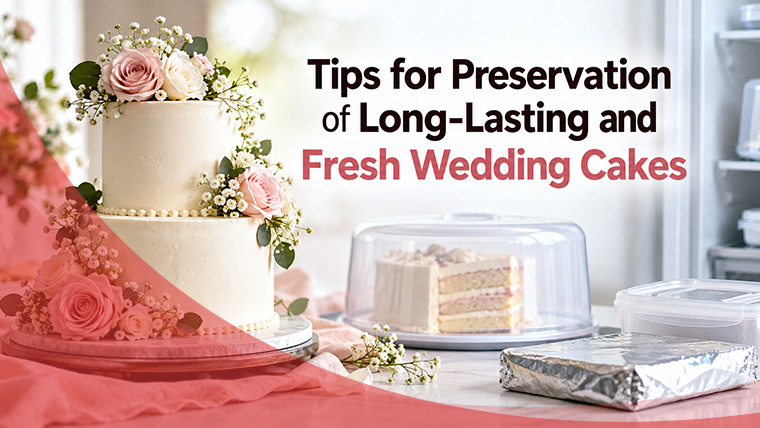
Every couple pictures the same thing, a wedding cake that looks absolutely stunning and somehow still tastes amazing right down to the very last slice. That combo isn’t just luck, honestly. It comes down to actually understanding a bit of the science behind why cakes stay fresh or don’t. From the ingredients you start with all the way to how you store the finished thing, every single step along the way matters. Get it right and your cake holds up beautifully through the whole celebration. Get it wrong and you’re looking at something dry and sad by the time dessert rolls around. Let’s get into what actually keeps a wedding cake fresh, with a bit of guidance from Baking Courses in Chennai along the way.
It All Starts With Good Ingredients
Here’s the thing, a cake that lasts doesn’t start in the oven, it starts way before that, right when you’re picking out ingredients. Baking classes i always push students to reach for fresh, quality stuff, not just because it tastes better but because it genuinely affects how well the cake holds together and stays fresh over time. Cake flour, or all-purpose flour with a moderate protein level, gives you that soft crumb everyone’s after. Granulated sugar isn’t just for sweetness either, it actually helps the cake hold onto moisture longer than you’d think. Fresh eggs bring structure and richness to the batter, and unsalted butter, brought to room temperature so it actually blends in properly, adds both flavor and moisture. Baking powder or soda handles the rise, and a decent quality extract, vanilla or almond, rounds everything off in a way cheap flavoring just can’t match, no matter how much you use.
Mixing Matters More Than Most People Realize
Honestly, how you mix the batter is just as important as what goes into it. Overmix it and you end up with something tough and dry. Undermix it and things never really come together the way they should. Cake-making classes spend real time on this specific skill, and honestly, it’s the kind of thing that’s genuinely hard to get right just through guessing and hoping.
Start by creaming your butter and sugar together until it turns light and fluffy, since that step traps air into the mixture and sets you up nicely for a tender crumb later. From there, switch between adding your dry stuff, flour and leavening agents, and your wet stuff, eggs and milk, bit by bit. Doing it this way keeps everything combining evenly without you having to overwork the batter to get there. And whenever you’re folding in something delicate, whipped egg whites or a fruit puree, go gentle. A rough hand there knocks all that airiness right back out.
Baking It Properly
A moist, evenly baked cake doesn’t just happen because you followed a recipe. It matters that your oven’s actually fully preheated before the batter goes anywhere near it, because an oven still climbing to temperature bakes unevenly right from the start. Decent cake pans help too, they spread heat more evenly than thin, cheap ones tend to. Splitting your batter evenly across pans keeps your baking times consistent, and if you’re baking a few layers at once, rotating them halfway through stops one side from catching more heat than the other. When you’re checking if it’s actually done, a toothpick or cake tester is still your best bet, it should come out clean or with just a couple of moist crumbs stuck to it, nothing more.
Frosting Isn’t Just There to Look Good
People forget frosting actually does more than decorate, it works as a barrier that seals in moisture and keeps everything underneath fresh. Buttercream tends to be the crowd favorite for its creamy texture and rich taste, while fondant gives you that flawless, smooth finish a lot of wedding cakes are known for. Which one’s right really just depends on the look you’re going for and what you personally like the taste of.
Don’t skip the crumb coat, that thin first layer of frosting that goes on before the final coat and locks in any stray crumbs. It’s a small step but it makes a real difference in getting that clean, professional finish on top. If you’re using fondant, make sure the whole cake is properly wrapped and sealed, because any bit left exposed dries out surprisingly fast. Our Baking Classes In Chennai Velachery actually walks you through fondant sealing hands-on if you want to properly get the hang of it rather than just reading about it. And if you’re adding fresh flowers or fruit as decoration, just make sure they’ve actually been washed and aren’t carrying pesticide residue, because food safety matters just as much as how pretty it looks.
Storage Is Where It All Comes Together
How you store the cake after it’s done really decides whether it stays fresh through the whole event or starts going stale before anyone’s even had a slice. If there’s anything perishable in there, cream cheese frosting or whipped cream, for example, it needs to go in the fridge to avoid spoiling, though be aware chilling can slightly change the texture, especially with buttercream. Keeping it in an airtight container stops it drying out or picking up staleness from sitting exposed to air. If you want to preserve slices for longer, wrap them individually in plastic wrap then foil and freeze them, just thaw overnight in the fridge before serving instead of leaving them out on the counter. And if your cake’s free of perishable stuff, a fondant-covered cake or one with stabilized buttercream, say, it can actually sit fine at room temperature, as long as it’s somewhere cool, dry, and out of direct sunlight.
Bringing It All Together
Keeping a wedding cake fresh really just comes down to a bunch of small decisions stacking up, starting with what you buy and ending with how you store it afterward. Nail each of these steps and you end up with a cake that genuinely holds up through the whole celebration, tasting just as good on the last slice as it did on the first cut. Here’s to a cake that looks as good as it tastes, all the way to the end.
1.How far ahead can I actually bake a wedding cake before the big day?
Most layers can be baked a few days early and stored properly, either in the fridge or freezer depending on what’s in them. Frosting and final decorating are usually best left until closer to the event so everything looks its freshest.
2.Does buttercream need to sit in the fridge overnight before the wedding?
Depends on the type honestly. American buttercream’s usually fine at cool room temperature for a day, but anything made with cream cheese or fresh dairy should go in the fridge until closer to serving.
3.Can a fondant cake just sit out overnight before the wedding?
Yeah, as long as there’s nothing perishable underneath and the room stays cool and dry. Fondant’s actually pretty good at sealing in moisture, so it’s one of the more forgiving options if a cake needs to sit out a while.
4.Why does my cake come out dry even after I followed all the storage tips?
That’s usually not a storage issue at all, it’s more likely overmixing or overbaking earlier in the process, both of which strip moisture out before storage even comes into play. Getting the mixing and baking right matters just as much as what you do afterward.
5.Is it safe to put real flowers straight on a wedding cake?
Only if they’re pesticide-free and either food-safe or kept separated from the cake with something like plastic wrap or floral picks, since a lot of decorative flowers aren’t actually meant to touch food directly.