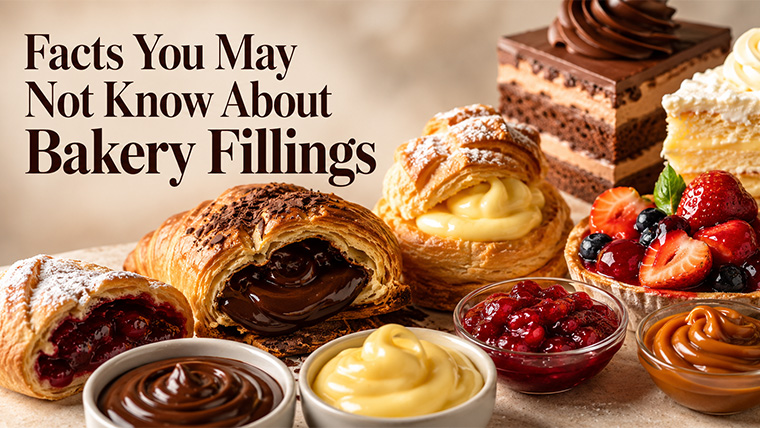
A good filling can turn an average bake into something people remember. It’s the reason one bakery’s croissant tastes flat while another’s makes you close your eyes on the first bite. If you’ve ever wondered why some cakes taste rich all the way through while others feel dry after the first layer, the filling is usually the answer.
At our cake baking classes in Chennai, this is one of the first things we teach, because most beginners assume frosting does all the work. It doesn’t. Frosting sits on the outside. Filling is what you taste in the middle, and it’s often what decides whether someone comes back for a second slice.
Frosting, Icing, and Filling Are Not the Same Thing
People mix these terms up constantly, and honestly, it’s an easy mistake to make. Here’s the actual difference:
- Icing is a thin, pourable mix of powdered sugar and liquid. You spread or pour it over the top, and it sets into a smooth, glossy coat.
- Frosting is thicker and fluffier. It sits on the outside of the cake and holds its shape when you pipe it.
- Filling goes between the layers. It’s the flavor you bite into, not the flavor you see.
Once you know this, a lot of recipe instructions start making a lot more sense.
Why Bother With a Proper Filling?
You could skip it, sure. But you’d be leaving flavor and shelf appeal on the table. Here’s what a good filling actually does for you:
- It stays put during baking. A well-made filling doesn’t leak out of your pastry or turn your puffs soggy from the inside.
- It keeps the flavor consistent. If a customer orders the same pastry twice, they should get the same taste both times. Fillings help you hit that mark order after order.
- It lasts. Most commercial bakery fillings hold up for 12 to 24 months when stored properly, so you’re not wasting product or buying in tiny batches every week.
- It saves you time and money. One good filling can replace five separate ingredients you’d otherwise be measuring, mixing, and monitoring by hand.
Getting the texture right matters more than people expect. A filling that’s too runny will seep through your dough. One that’s too stiff won’t spread evenly between layers. Consistency here is what separates a filling that works from one that causes problems in the oven.
The Fillings Worth Knowing in 2026
Fruit, chocolate, and cream fillings have been bakery staples for decades, and they’re still the backbone of most menus. But the flavors inside them have shifted. Industry reporting this year points to a clear trend: bakers are pairing rich, familiar fillings with sharper, more unexpected notes, things like citrus curds cutting through cream cheese, or miso and black sesame showing up in fillings that used to be plain sweet.
Here’s where things stand right now:
- Fruit fillings remain concentrated, fruit-heavy mixes best suited to tarts, pies, and cheesecakes. What’s changed is the fruit itself. Guava, finger lime, and yuzu are showing up more often, adding a sharper edge to desserts that used to lean purely sweet.
- Chocolate and nut fillings still deliver that rich, indulgent bite, but bakers are increasingly pairing them with a contrasting texture, think a crisp shell around a flowing chocolate center, rather than keeping everything smooth throughout.
- Cream and sweets fillings give you that soft, luxurious mouthfeel inside cakes and pastries. Cream cheese with citrus, or mascarpone paired with coffee, are two combinations gaining ground this year.
If you want to see how these combinations actually come together in a working kitchen, our baking institute in Chennai covers this hands-on, not just in theory.
Where Fillings Actually Work Best
Almost any baked good benefits from the right filling. The ones we see used most often include:
- Cookies
- Cakes
- Pies
- Cupcakes
- Muffins
- Doughnuts
Croissants and puff pastries deserve a mention too. With texture contrast trending hard this year, crisp, laminated pastry with a soft, flowing filling inside has become one of the most requested combinations in bakeries and cafes.
How to Pick the Right Filling for Your Next Bake
There’s no single “best” filling. The right one depends on what you’re making and what you want the final bite to feel like. A few things to think through before you commit:
- Match the filling to the base. A cheesecake or tart crust pairs naturally with fruit. A rich cake or cookie sandwich works better with chocolate or nut fillings.
- Think about flavor balance, not just taste. If your dough or crust already leans sweet, a filling with some acidity, citrus curd, for example, keeps the whole thing from tasting one-note.
- Pay attention to texture, not just flavor. A soft filling inside a soft cake can feel flat. A bit of contrast, crunch against cream, or firm against flaky, tends to hold a customer’s attention longer.
- Test before you scale. What works in a small batch doesn’t always behave the same way once you’re producing at volume. Small test runs save you from expensive mistakes later.
If you’re still unsure which filling fits your product, this is exactly the kind of decision we help students work through at our baking institute in Chennai, using real dough, real fillings, and real trial and error.
What’s the difference between filling and frosting?
Frosting sits on the outside of a baked good and holds its shape. Filling goes between layers or inside the product itself, and it’s usually where most of the flavor comes from.
How long do bakery fillings last?
Most commercial fillings, when stored correctly, stay usable for 12 to 24 months. Always check the label, since shelf life varies by ingredient and preservation method.
Can I use fruit filling in a chocolate cake?
You can, but be thoughtful about it. Fruit fillings work best against a neutral or buttery base, like a plain sponge or cheesecake crust, where the fruit flavor isn’t fighting with cocoa.
Why did my filling leak out during baking?
This usually comes down to texture. A filling that’s too thin will run before the dough has a chance to set around it. Thickening it slightly or chilling it before use generally fixes the problem.
Are fruit or nut fillings healthier than cream fillings?
Not automatically. It depends on the sugar and fat content of the specific recipe. Fruit fillings can still be heavily sweetened, and nut fillings often carry more fat than a light cream filling. Check the actual ingredients rather than assuming based on category.
Where can I learn to make bakery fillings from scratch?
Hands-on practice is the fastest way to get comfortable with texture, consistency, and flavor balance. Our cake baking classes in Chennai walk you through fruit, chocolate, nut, and cream fillings step by step, so you leave knowing not just the recipe, but why it works.