Every baker remembers the moment. You follow a recipe to the letter, and the cake still comes out heavier than it should be, or the bread refuses to hold its shape in the oven the way it did in the photos. The instructions said “flour,” so you used flour. What else was there to get wrong?
Quite a lot, as it turns out. Standing in front of a shelf with three or four bags, each labeled differently, each with a different protein percentage printed in small text nobody reads twice, a real question starts to form. Does the type of flour actually change the outcome that much? It does, and understanding why is one of those quiet shifts that separates someone who follows recipes from someone who actually understands baking. It’s often the first real “aha” moment for people who take up professional baking classes in Chennaithat flour was never just one ingredient to begin with.
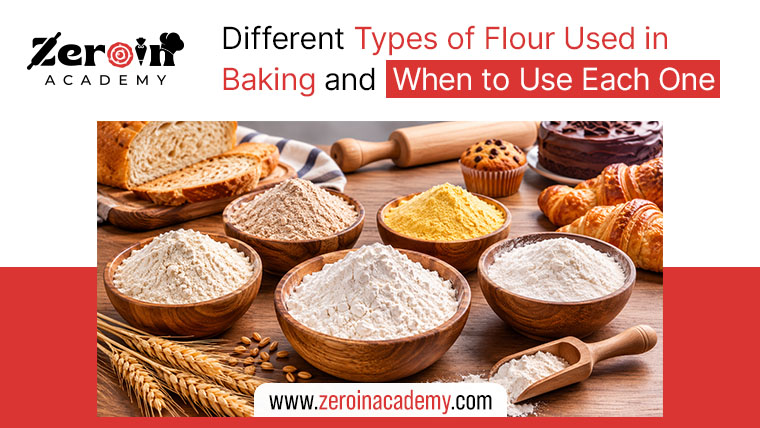
This piece walks through the major flour types used in home and professional baking, what makes each one different, and how to know which belongs where. All-purpose, bread, cake, pastry, whole wheat, and a handful of specialty flours all trace back to the same source, wheat, but the protein content in each one tells a very different story.
Protein is really the thread running through all of this, because it decides how much gluten forms and gluten is whag gives a bake it’s structure, it’s chew or it’s softness, depending on how much is present. By the end the aim is not to memorize numbers off a chart. It’s to reach the point where you can look at a recipe and already know almost instinctively which bag to reach for.
Protein Is the Whole Story
Every flour comes from wheat, but not all wheat behaves the same once it’s milled, and the protein percentage left in the flour shapes nearly everything that happens next. More protein means more gluten develops once liquid and mixing get involved. More gluten means more strength, more chew, more backbone in the final bake. Less protein means something softer, something that falls apart a little more gently on the tongue.
This one detail explains why swapping one flour for another rarely goes as planned. It also explains why bread flour and cake flour, sitting side by side, looking practically identical, can produce results that feel like they came from two different kitchens entirely.
All-Purpose Flour: Good Enough, Most of the Time
All-purpose flour lands somewhere in the middle, usually between ten and twelve percent protein, and that’s really the whole point of it. It’s not built for the chew of a rustic loaf, and it’s not delicate enough for a proper chiffon cake, but it does a perfectly respectable job with cookies, muffins, pancakes, the everyday stuff.
Plenty of home bakers never touch another bag their entire lives, and that’s fine. The trouble only starts when a recipe wants something more specific, and that’s usually the same moment someone notices their bread came out flat or their cake turned out tougher than expected. All-purpose flour is a solid generalist. It was never meant to specialize in anything.
Bread Flour, and Why Strength Matters
Bread flour sits higher, typically twelve to fourteen percent protein, and that extra strength isn’t accidental. Bread dough needs a sturdy gluten network to trap the gas that yeast produces during fermentation. That trapped gas is what lets a loaf rise properly and actually hold its shape once it hits the heat of the oven.
Without that strength, dough tends to collapse under its own weight, sometimes right at the finish line. This is often where beginners feel a little defeated, watching a loaf that looked so promising an hour earlier sink flat in the oven. The fix usually isn’t kneading harder or longer. It’s often as simple as reaching for a flour that was built for this job from the startl
Cake Flour and the Case for Softness
Cake flour goes the other direction entirely, sitting around seven to nine percent protein. Less protein means less gluten forms and less gluten means a lighter, more tender crumb, exactly what a sponge cake or chiffon needs to hold its texture.
Use all-purpose flour instead, and the cake won’t be ruined, but it will be denser than intended. Not a disaster. Just not what the recipe was written for. Learning to notice that difference, and adjusting for it, is part of how a baker’s instincts sharpen over time.
Pastry Flour, the One Everyone Forgets
Pastry flour doesn’t get nearly the attention bread flour or cake flour does, Yet it earns its place for pie crusts, tarts and biscuits. Sitting between cake and all purpose flour in protein, it offers just enough structure to hold together while staying lender enough to flake apart the way good pastry should.
It’s a flour built entirely around balance, and balance tends to be the hardest thing to get right in baking. Push toward too much structure and the pastry turns chewy and stubborn. Learn too far the other way and it crumbles before it even reaches the plate.
Whole Wheat and the Specialty Flours
Whole wheat flour keeps the bran and germ intact, which brings in fiber, flavor, and a heartier texture, but it also soaks up more liquid than most bakers expect the first time around. Anyone moving into whole grain baking usually ends up adjusting hydration a few times before the dough starts feeling right.
Beyond wheat entirely, there’s rye, spelt, gluten-free blends, each with its own quirks and its own learning curve. This is really where hands-on, guided practice makes the biggest difference, because watching how these flours actually behave under real conditions teaches you faster than any explanation on a page ever could.
Beyond wheat entirely, there is rye, spelt, gluten free blends, each with its own quirks and its own learning curve. This is really where hands on guided practice makes the biggest difference because watching how these flours actually behave under real conditions teaches you faster than any explanation on a page ever could.
Choosing Flour With Intention
Maybe the most useful question to ask before starting any recipe is a simple one:
What texture am I actually going for? Chew and structure point toward bread flour. Lightness and lift point toward cake flour, Balance points toward pastry flour. Flour is never just filter sitting quietly in the background. It shapes the outcome just as much as technique, kneading or oven temperature ever will.
That moment of confusion at the flour shelf never fully goes away. It just changes shape over time, from frustration into curiosity, and eventually into something close to confidence. That shift, from not knowing to understanding, is really what baking education comes down to, whether it’s earned through years of trial and error at home or through structured guidance, like what’s taught at baking classes in Anna Nagar, where these fundamentals get the patience they actually deserve.
Can I use all-purpose flour instead of bread flour?
Yes, though the loaf will be softer with less chew, since it carries less protein.
Why did my cake turn out dense instead of light?
Too much protein, most likely. Cake flour, not all-purpose, gives that light, soft crumb.
Is whole wheat flour actually healthier?
Generally, yes, thanks to the bran and germ but it needs more liquid and a gentler hand.
Does sifting flour really matter?
For cake flour, yes. It breaks up lumps and adds air, which means a lighter bake.
Can pastry flour stand in for cake flour?
Not quite. Slightly more protein means slightly less tenderness in the final result.
What’s the best way to store flour long-term?
Airtight, cool, away from moisture. Whole wheat especially does better in the fridge.