There’s a particular kind of frustration that every home baker knows. The cake looks fine going into the oven. It comes out dense, slightly sunken, oddly textured and there’s no obvious reason why. The recipe was followed. The oven was preheated. And yet something didn’t come together the way it should have.
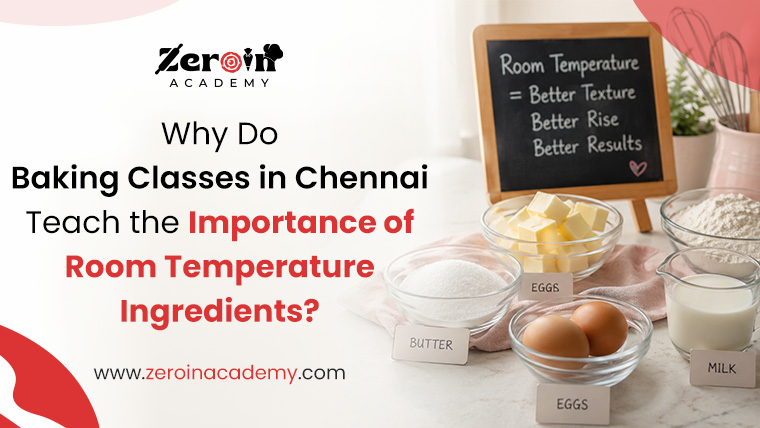
More often than not, the answer has nothing to do with the recipe at all. It has to do with temperature specifically, the temperature of the butter, eggs and milk sitting on the counter before they ever touched the bowl. This is one of the first lessons taught at any serious baking institute In Chennai and it’s taught early because it quietly affects almost everything that follows. Room temperature ingredients blend more evenly, trap air more efficiently, and create the kind of structure that separates a good bake from a forgettable one. Butter that’s too cold won’t aerate properly. Eggs straight from the fridge can cause batter to curdle or split. Milk that’s chilled can shock melted chocolate into seizing. None of this is about being fussy. It’s about understanding how ingredients behave and why that behavior matters before a single step of the actual recipe begins. What follows is a closer look at why this principle holds so much weight in professional baking education and how it shapes outcomes far more than most beginners expect.
The Hidden Role Temperature Plays in Texture
Why does something as simple as ingredient temperature change the outcome of a bake so dramatically? The answer lies in chemistry,When butter is properly softened, it traps air during creaming. Those tiny air pockets expand in the oven, giving cakes and cookies their lift. Cold butter doesn’t aerate the same way. It breaks into stubborn lumps instead of blending smoothly, leaving behind a denser, tighter crumb.
Eggs follow a similar logic. Room temperature eggs incorporate into batter without disrupting its structure. Cold eggs, on the other hand, can tighten the fat in a mixture so suddenly that the batter looks curdled, even when nothing is technically wrong with it.
This is rarely explained in casual recipes. It’s something that becomes clear only through guided, hands-on learning.
Why This Isn’t Just a “Nice to Know” Detail
Some bakers wonder if this is being overly precise about something so small. It’s a fair question.
But baking isn’t cooking. There’s little room for improvisation once the batter goes into the oven, because the structure has already been decided in the bowl. Ingredient temperature is one of the few variables a baker can control completely before that point.
This is why structured environments place so much emphasis on it early. It isn’t about perfectionism. It’s about giving learners a reliable foundation, so the rest of their technique actually has something solid to build on.
How This Shapes the Way Recipes Are Taught
Step into an actual classroom, and this idea starts changing the way lessons get structured. Recipes aren’t just handed over as instructions to follow. They’re explained alongside the reasoning behind each step.
A learner is shown what over-curdled batter looks like, what under-creamed butter feels like, and why a particular texture indicates something has gone wrong long before the bake is finished. This kind of real-time correction is something written recipes simply cannot offer.
It also changes the pace of learning. Instead of memorizing steps, students begin recognizing patterns. They start understanding why a recipe behaves a certain way, not just what to do next.
The Doubt Most Beginners Don’t Say Out Loud
Many beginners privately wonder if all this attention to temperature is just professional fussiness; something that matters in competitions but not in everyday baking.
It’s a reasonable doubt to have, especially when home bakers have made plenty of decent desserts without worrying about it at all.
But “decent” and “consistent” are different outcomes. A beginner might get lucky with a good bake here and there. A trained baker gets dependable results, batch after batch, because they understand the why behind the what. That gap shows up fast the moment baking stops being a hobby and turns into something more serious selling what you bake or doing it for a living.
Where Structured Learning Comes In
This is where formal training environments like Zeroin Academy quietly stand apart. The focus isn’t on collecting recipes. It’s on understanding the principles that make those recipes work in the first place.
Room temperature ingredients are one of the earliest concepts introduced, not because it’s simple, but because it sets the tone for everything that follows. Once a learner understands how temperature affects emulsification, aeration, and structure, they begin approaching every new recipe with more confidence and far less guesswork.
This is also where the gap between watching a video and being personally guided becomes most visible. A mentor can catch a mistake mid-process. A video cannot.
The Quiet Confidence That Comes With Understanding
Something shifts once a baker actually understands why temperature matters in the first place. They stop blindly following instructions and start making informed adjustments. They begin trusting their own judgment, because they understand the reasoning behind it.
This shift doesn’t happen overnight. It happens slowly one recipe, one mistake, one correction at a time. But what it grows into is worth far more than memorized steps: actual baking instinct.
That kind of confidence rarely comes from reading. It comes from doing, observing, and being corrected in real time, which is exactly the kind of exposure that well-structured baking classes Anna Nagar are designed to offer.
Coming Back to That Confusing Cake
So, back to that cake that didn’t quite rise the way it should have. It probably wasn’t the recipe. It was likely something far simpler and far more overlooked: butter that was too cold, eggs that were too chilled, ingredients that hadn’t been given the chance to settle into the right temperature before they were combined.
Once that small detail becomes second nature, baking starts to feel less like guesswork and more like something genuinely understood one batter, one batch, one better bake at a time.
Why does butter need to be at room temperature before baking?
Soft butter holds air as you cream it, and that trapped air helps give cakes and cookies their lift. Cold butter does not blend smoothly, which can result in a denser bake.
What happens if eggs are too cold when added to batter?
Cold eggs can affect the batter’s texture by causing the fat and liquids to separate or look curdled, even when the recipe is followed correctly.
Does ingredient temperature really make that big a difference?
Yes. Ingredient temperature plays an important role in emulsification and aeration, which directly affect the texture, rise, and consistency of baked products.
How long should ingredients sit out before baking?
Generally, ingredients should sit out for around 30–45 minutes before baking, depending on the ingredient and room temperature. Butter and eggs require the most attention.
Can this be learned without hands-on guidance?
Reading about baking can only take you so far. Understanding the right texture, consistency, and techniques comes through practical learning with proper guidance.