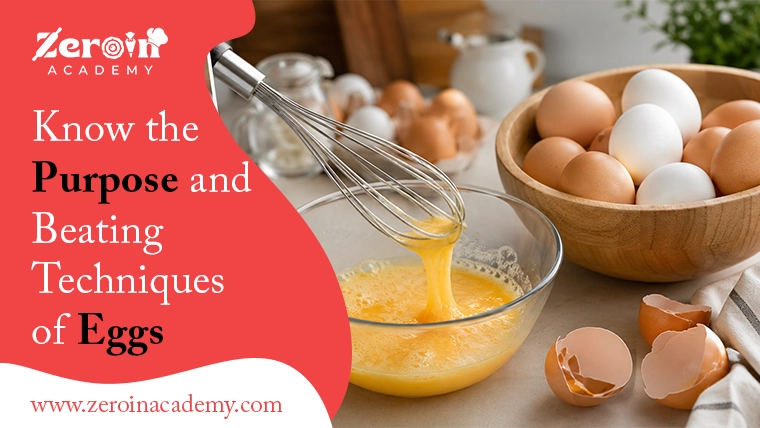
Eggs might be the most underrated ingredient in your baking. Cookies, cakes, pies, whatever you’re making, eggs are doing quiet, heavy lifting behind the scenes. But their job changes depending on what you’re baking, and knowing which role you need them to play makes all the difference between a dessert that works and one that falls flat. Cake making classes in Chennai spend real time on this understanding what eggs actually do, and how to beat them properly for each situation.
Why Eggs Matter So Much in Baking
Eggs aren’t just one ingredient doing one thing. Egg whites, thanks to their high protein content, act as a natural leavening agent, they help baked goods rise. Egg yolks, on the other hand, thicken and strengthen. That’s why yolks work so well in rainbow cakes too, they don’t throw off the colour the way some other ingredients might.
Yolks also carry a lot of the flavour. If you’re going for something dense and rich, yolks are your best friend, they act as emulsifiers, holding the batter together so it doesn’t separate on you. They tenderize the crumb and give baked goods that deep, golden colour people associate with a well-made cake.
A few other things eggs quietly handle:
- The fat in eggs adds flavour and gives cakes that soft, velvety texture people notice without knowing why.
- Once eggs go into the batter, they build structure, a protein framework that shows up in cakes, cookies, and custards. Paired well with starches, this is what gives desserts their balance.
- A light brush of beaten egg, an “egg wash” is what gives baked goods that glossy, professional-looking finish.
- Heat firms eggs up, which is exactly what gives delicate pastries and desserts the structure they need to hold their shape.
Egg Beating Techniques Worth Knowing
Egg whites. Stick to the exact quantity your recipe calls for precision matters more here than almost anywhere else in baking. When you’re whipping whites, keep everything scrupulously fat-free. Even a trace of yolk can stop stiff peaks from forming, so use an egg separator rather than trying to do it by hand. You’ll know you’ve hit the right consistency when the tips curl slightly as you lift the whisk not flopping over, not stiff enough to stand straight up like a blade.
Egg yolks. Some recipes call for beating yolks with sugar until they hit what’s called the ribbon stage light, fluffy, and pale enough that a ribbon of the mixture briefly holds its shape on the surface before disappearing back in. This is one of those steps where more isn’t better. Overbeat past the ribbon stage and you’ll end up with a grainy texture that can throw off the entire dessert.
A Few Things to Get Right Before You Even Start Cracking
Room-temperature eggs matter more than most people realize. If you don’t have 30 minutes to let them sit out, drop them in lukewarm water for about 5 minutes instead it gets you most of the way there.
And skip the habit of cracking eggs on the edge of the bowl. It looks convenient, but it tends to push shell fragments into the mixture. Crack them on a flat surface a countertop or kitchen slab and open them with your fingers instead. It’s a small change, but it makes a real difference.
Eggs do more work in a kitchen than almost any other single ingredient, and once you understand what each part is doing, your baking gets noticeably more consistent. If you want to actually build that skill hands-on rather than just read about it, Our baking classes in Chennai Velachery walk you through every beating technique in detail so you’re not just following steps, you’re understanding why they work and using that to get better texture and flavour in everything you bake.
Why do my whipped egg whites deflate quickly after beating?
This usually happens when there’s a trace of fat or yolk in the mixture, or when the whites weren’t beaten to stiff enough peaks. Using a clean, dry bowl and a proper egg separator helps them hold their structure longer.
Can I use cold eggs straight from the fridge for baking?
It’s not ideal. Cold eggs don’t incorporate air as well when whipped and can cause batters to separate. Bringing them to room temperature first, even with the quick lukewarm water trick, gives you a smoother, more stable result.
What happens if I overbeat egg yolks with sugar?
Overbeating past the ribbon stage breaks down the structure you’ve built, leaving the mixture grainy instead of smooth. This can affect the final texture of your cake or dessert, so it’s worth watching closely as you beat.
Is there a difference between using whole eggs versus just yolks or whites in a recipe?
Yes, significantly. Whole eggs balance structure, moisture and richness. Yolks alone add density, flavour, and tenderness, while whites alone add lift and lightness without extra fat, which changes both texture and taste noticeably.
How many eggs should I substitute if a recipe calls for egg replacements?
It depends on the substitute, but generally one egg equals about a quarter cup of liquid replacement like yogurt, mashed banana or a flax egg. Results vary slightly depending on the recipe and desired texture.