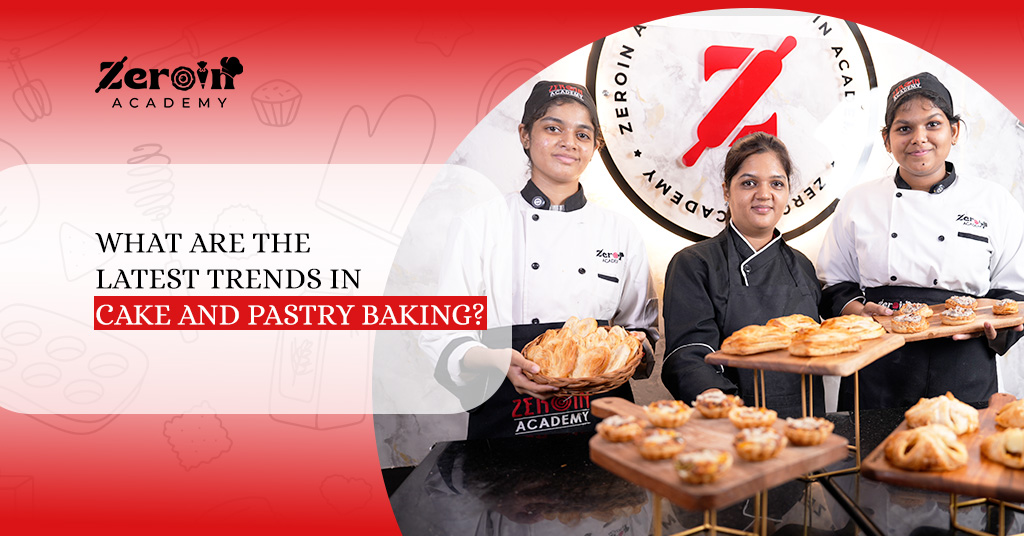
There is a moment every baker knows well. You open Instagram, scroll through what the world is making, and feel this quiet mix of excitement and overwhelm. The cakes look like something between art and architecture. The pastries seem to belong in a Parisian window. And somewhere in your mind a thought forms: am I falling behind?
We hear this often at Zeroin Academy, one of the most trusted baking institute in Chennai. Students walk in carrying that feeling not just curiosity about new trends, but a quiet anxiety about whether what they know is still enough. We always tell them the same thing: trends pass, but technique stays. Still, knowing what is moving in the world of baking does matter. It shapes what clients expect, what sells, and where your creativity can stretch.
So let us walk through the trends that are genuinely reshaping cake and pastry baking right now. Not as a checklist. But as a conversation.
The Return to Texture: Baking Has Stopped Being Smooth
For years, the goal was flawless. Perfectly smooth fondant. Mirror-glazed cakes that looked like a reflection pool. Clean lines. No imperfection tolerated.
That is shifting. Bakers are now celebrating texture rough buttercream strokes, ruffled edges, visible sponge layers, and the kind of finish that says this was made by human hands. It feels more honest, more warm. Clients are responding to it because it evokes something emotionally real.
The lesson here is not that technique matters less. It is the opposite. Creating texture that looks intentional rather than accidental is genuinely hard to do well.
Floral and Botanical Themes Are Evolving
Flowers on cakes are not new. But the way bakers are using botanicals right now has moved far beyond sugar roses.
Dried flowers, pressed edible petals, herbs like rosemary and lavender worked into buttercream, wild foraged-looking arrangements baking is borrowing heavily from the world of slow floristry. The aesthetic is less formal, more garden-like. And it is crossing into pastries too, with floral infusions showing up in croissant fillings, tart glazes, and choux cream.
This trend rewards bakers who understand flavour pairing, not just decoration.
Fermentation and Slow Baking Are Having Their Moment
Sourdough opened a door that has not closed. The wider baking world is now genuinely interested in fermentation in laminated doughs with longer proofs, naturally leavened pastries, and flavours that only develop with time.
This is a meaningful shift. It asks bakers to slow down, to trust the process, to understand what is happening inside the dough rather than just following a recipe. Croissants with deeper flavour. Babkas that taste like they carry history. Cinnamon rolls that take overnight to make and are absolutely worth it. Patience, it turns out, is a baking skill.
Minimalism in Patisserie: Less Is Genuinely More
On the professional patisserie side, there is a strong move toward restraint. Fewer components. One dominant flavour highlighted with precision. Clean plating that lets the craft speak without noise.
This trend is deceptive. It looks simple. It is not. When there is nothing to hide behind, technique becomes everything. The caramel must be perfect. The mousse must have exactly the right body. The glaze has to behave. Minimalism in pastry is a discipline, not a shortcut.
Cultural Flavours Are Finally Getting the Respect They Deserve
Baking has long centred European tradition. That is changing, and it is one of the most exciting shifts happening right now. Cardamom, pandan, black sesame, miso, tahini, saffron, rose water, jaggery ingredients rooted in South Asian, East Asian, Middle Eastern, and African culinary traditions are moving from the margins to the centre of pastry menus.
For bakers in India, this is particularly meaningful. We already carry so much flavour knowledge. The opportunity is to bring it into technique and presentation with confidence.
Structural and Sculptural Cakes Are Becoming a Serious Specialism
The anti-gravity cake, the floating tier, the cake that looks like an everyday object, these have moved from novelty to a genuine niche that supports real businesses. Clients pay significantly more for structural cakes, and skilled bakers who can deliver them consistently are in short supply.
This is not a trend for everyone. It requires understanding engineering alongside decoration. But for bakers who want to position themselves in the premium market, it is worth exploring seriously.
What This All Means for You
Trends are information, not instructions. The bakers who sustain long careers are not the ones who chase every wave. They are the ones who understand their craft deeply enough to decide which trends align with their voice and which do not.
That is what we try to build at Zeroin, not just skill, but discernment. If you want to go deep into both the classical foundations and the contemporary direction of baking and patisserie, our International Diploma in Baking and Patisserie is designed for exactly that. Six months of hands-on, structured training that takes you from understanding to application.
Remember that moment we opened with the scroll, the slight overwhelm, the question of whether you are keeping up? The answer was never in following every trend. It was in building the kind of foundation that makes trends feel like possibilities, not pressures.
That is what baking really teaches you, if you let it.
If you are in baking classes in Chennai Velachery, come and see us. The oven is warm, the kitchen is ready, and the conversation about craft is always ongoing. We would love to be part of where your baking goes next.